

Introduction
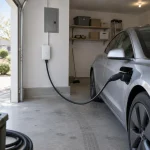
Electric vehicle ownership is accelerating worldwide, and the need for dependable home charging has never been greater. A level 2 EV charger delivers the speed, convenience, and long-term savings that every driver wants — turning a standard garage into a powerful refueling point that can add up to 60 miles of range per hour. Whether you drive a compact hatchback or a full-size electric SUV, understanding how these systems work and what to look for will help you make a smarter investment.
This guide covers the full picture: how Level 2 charging compares to alternatives, why home charging matters, which features separate a good unit from a great one, and what installation actually involves. By the end, you will know exactly what to ask, what to budget, and how to get the most from your electric car charger for home use.
In This Guide:
- Overview of Level 2 EV Chargers
- Importance of Home Charging Stations
- Benefits of Installing a Level 2 EV Charger
- Best Level 2 EV Chargers on the Market
- Installation Considerations
- Conclusion
Overview of Level 2 EV Chargers
Level 2 EV chargers operate on a 240-volt AC circuit — the same type of power supply that large home appliances like dryers and ovens use. They deliver between 3.3 kW and 19.2 kW of power, depending on the unit’s amperage rating and your vehicle’s onboard charger capacity. Most residential installations fall in the 7.2 kW to 11.5 kW range, which strikes a practical balance between charging speed and electrical demand.
The J1772 connector standard, used across North America, ensures that virtually every plug-in electric vehicle can connect to a level 2 EV charging station without adapters. Some newer units also support the NACS (North American Charging Standard) connector, broadening compatibility with the latest EV models.
| Charging Level | Voltage | Power Output | Range Added per Hour | Typical Use Case |
|---|---|---|---|---|
| Level 1 | 120V | 1.4–1.9 kW | 2–5 miles | Overnight, low-mileage drivers |
| Level 2 | 240V | 3.3–19.2 kW | 12–60 miles | Daily home charging, most EV owners |
| DC Fast (Level 3) | 400–900V DC | 50–350 kW | 100–200+ miles (20 min) | Road trips, public stations |
Data source: U.S. Department of Energy, Alternative Fuels Data Center — Electric Vehicle Charging Stations
According to the U.S. Department of Energy, a typical 7.2 kW level 2 EV charger adds approximately 25 miles of range per hour of charging. For most drivers who travel fewer than 40 miles per day, that means a full overnight charge from a home ev charging station restores far more energy than daily driving consumes.
Importance of Home Charging Stations
Home charging is the backbone of EV ownership. The U.S. Department of Energy’s National Renewable Energy Laboratory projects that L1 and L2 charging will handle 80% of all EV charging duties by 2030, with the majority occurring at single-family residences. This projection underscores how central a home ev charging station is to the EV ecosystem.
These numbers reflect a simple reality: most EV owners prefer the convenience of plugging in at home overnight rather than making detours to public stations. A dedicated home ev charging station eliminates range anxiety, reduces dependence on public infrastructure, and ensures your vehicle is always ready when you need it.
Home car charging stations also offer significant cost advantages. Residential electricity rates average around $0.16 per kWh in the United States, while public Level 2 chargers typically charge $0.25 to $0.37 per kWh, and DC fast chargers can exceed $0.50 per kWh. Over a year of typical driving, the savings from home ev chargers versus public charging can reach several hundred dollars.
Beyond cost, home ev chargers provide a level of control and predictability that public infrastructure cannot match. You choose when to charge, how fast to charge, and can take advantage of off-peak electricity rates to further reduce your energy costs.
Benefits of Installing a Level 2 EV Charger
Faster Charging Speeds
The most immediate advantage of a level 2 EV charger is speed. Compared to a standard 120-volt Level 1 outlet that adds only 2 to 5 miles of range per hour, a 240-volt Level 2 unit delivers 12 to 60 miles per hour — making it up to eight times faster. For a typical EV with a 60 kWh battery, a 7.2 kW level 2 ev charging station can replenish a full charge in approximately 8 to 10 hours, while a higher-output 11.5 kW unit can do it in 5 to 7 hours.
This speed difference transforms the charging experience. Instead of leaving your car plugged in for an entire weekend to recover from a depleted battery, a level 2 ev charging station restores your full daily driving range in a single overnight session. Even after a longer trip, you can wake up to a nearly full battery every morning.
Convenience for Electric Car Owners
Convenience is perhaps the most underrated benefit of home charging. With a dedicated electric car charger for home use, you eliminate the time spent searching for available public stations, waiting in queues, or paying premium rates at commercial chargers. You simply pull into your garage, plug in, and let the unit do its work while you sleep, work, or spend time with family.
Modern home ev chargers also integrate with smartphone apps, allowing you to monitor charging status, schedule sessions during off-peak hours, and receive notifications when charging is complete. A smart ev charger takes this further by learning your driving patterns and automatically optimizing charge times. This level of connectivity turns a routine task into a seamless part of your daily life.
Cost Efficiency in the Long Run
While the upfront cost of purchasing and installing a level 2 EV charger ranges from approximately $1,000 to $2,700 depending on your home’s electrical setup, the long-term savings are substantial. Home charging at residential electricity rates costs roughly $0.05 to $0.06 per mile of driving, compared to $0.13 or more per mile at public charging stations.
For a driver covering 15,000 miles per year, the annual fuel cost with home charging is approximately $750 to $900. The same mileage using public Level 2 charging would cost $1,200 to $1,500, and relying on DC fast charging could push that figure above $2,000. Over five years, the savings from a home ev charging station can easily offset the initial installation cost many times over.
Additionally, many utility companies offer special EV electricity rates or time-of-use plans that further reduce the cost of home charging. Some local and state programs also provide rebates or tax incentives for installing home charging equipment, bringing the net cost down even further.
Best Level 2 EV Chargers on the Market
Features to Look For
When evaluating any charger car charger combination, several key features separate a quality unit from a basic one. First, look for safety certifications from recognized testing laboratories such as UL (Underwriters Laboratories) or ETL — these ensure the equipment meets rigorous electrical safety standards.
A smart ev charger with WiFi or Bluetooth connectivity adds significant value. Smart features allow you to schedule charging during off-peak hours, monitor energy usage in real time, and receive maintenance alerts. Some units also support load management, which automatically adjusts charging power to prevent overloading your home’s electrical system when other appliances are running.
Other important features include adjustable amperage settings, cable management systems, weatherproof ratings for outdoor installation, and energy-efficient standby modes. A longer cable (18 to 25 feet) provides flexibility in positioning your vehicle relative to the charger location.
Compatibility with Electric Vehicles
One of the strongest advantages of Level 2 charging is its broad compatibility. The J1772 connector standard is used by virtually every plug-in electric vehicle sold in North America, from Chevrolet and Nissan to Ford and Hyundai. This means your home ev charging station will work with nearly any EV you drive today or purchase in the future.
Some newer models also support the NACS connector used by Tesla vehicles, either natively or through an adapter. For households with multiple EVs from different manufacturers, universal charging stations that support both connector types offer maximum flexibility. Always verify that the charger’s amperage output matches or exceeds your vehicle’s onboard charger capacity to ensure you get the fastest possible charge rate.
Charging Speed
Charging speed depends on two factors: the charger’s power output and the vehicle’s onboard charger capacity. A 7.2 kW (30-amp) level 2 EV charger is sufficient for most EVs and provides a good balance of speed and cost. Higher-output units at 11.5 kW (48-amp) or 19.2 kW (80-amp) charge faster but require larger electrical circuits and may exceed what some vehicles can accept.
Check your vehicle’s specifications to determine its maximum AC charging rate. If your EV’s onboard charger is limited to 7.7 kW, purchasing a 19.2 kW unit will not charge it any faster — though it may future-proof your setup for a next vehicle with a higher-capacity onboard charger.
Top Recommendations
Finding the best level 2 charging station for your home depends on your specific needs: daily driving distance, electrical capacity, budget, and whether you want smart features. Units in the 7.2 kW to 11.5 kW range cover the needs of most residential users, offering fast overnight charging without requiring major electrical upgrades.
Product Reviews
When reviewing home EV chargers, pay attention to real-world performance, build quality, customer support, and warranty coverage. Top-performing units consistently earn high marks for reliable connectivity, accurate energy metering, and durable construction that withstands outdoor conditions. Look for products with at least a three-year warranty and responsive technical support.
Comparison of Specs
| Power Level | Amperage | Circuit Requirement | Range per Hour | Best For |
|---|---|---|---|---|
| 3.3 kW | 16A | 20A breaker | ~12 miles | Plug-in hybrids, low-mileage drivers |
| 7.2 kW | 30A | 40A breaker | ~25 miles | Most EVs, standard home use |
| 11.5 kW | 48A | 60A breaker | ~40 miles | Large batteries, high-mileage drivers |
| 19.2 kW | 80A | 100A breaker | ~60 miles | Performance EVs, future-proofing |
Installation Considerations
Assessing Your Home’s Electrical System
Before purchasing a level 2 EV charger, evaluate your home’s electrical capacity. Most residential services provide 100 to 200 amps of total capacity. A Level 2 charger typically requires a dedicated 40- to 60-amp circuit, which means your panel must have sufficient spare capacity to handle the additional load alongside your existing appliances.
If your electrical panel is older or already near capacity, you may need a panel upgrade before installation. A licensed electrician can perform a load calculation to determine whether your system can support a home ev charging station without upgrades. This assessment is a critical first step that prevents safety issues and ensures optimal performance.
Choosing the Right Location for Your Charger
The ideal location for your charger balances convenience, safety, and installation cost. Most homeowners install the unit in their garage, close to where the vehicle parks, minimizing cable length and protecting the equipment from weather. If garage space is limited, a weatherproof outdoor unit mounted near your parking spot is a practical alternative.
Consider the distance from your electrical panel to the charger location. Longer wire runs increase material and labor costs. Mount the unit at a comfortable height (typically 4 to 5 feet from the floor) with enough clearance for the cable to reach your vehicle’s charging port without stretching or kinking.
Hiring a Professional vs. DIY Installation
While some experienced homeowners may feel comfortable handling basic electrical work, Level 2 EV charger installation involves high-voltage wiring that demands professional expertise. Most local jurisdictions require a permit and inspection for EV charger installations, and improper wiring can create fire hazards or void your equipment warranty.
| Factor | Professional Installation | DIY Installation |
|---|---|---|
| Safety | Licensed, insured, code-compliant | Risk of improper wiring |
| Permits and Inspection | Handled by electrician | Homeowner responsibility |
| Warranty | Typically preserved | May be voided |
| Cost | $500–$1,500 labor | $200–$500 materials only |
| Time | 2–6 hours typical | Variable by experience |
For most homeowners, hiring a licensed electrician is the recommended path. Professional installation ensures your system meets local electrical codes, passes inspection, and operates safely for years to come. The additional labor cost is a worthwhile investment in safety and peace of mind.
Conclusion
Recap of Benefits
A level 2 EV charger offers a compelling combination of speed, convenience, and long-term cost savings. With charging rates up to eight times faster than Level 1, the ability to wake up to a full battery every morning, and annual fuel costs that are a fraction of what public charging or gasoline would cost, home Level 2 charging is the smartest way to power an electric vehicle.
Encouragement to Consider Level 2 EV Charging
If you are considering an electric vehicle or already own one, investing in a home Level 2 charging setup is one of the most impactful decisions you can make. It transforms your daily routine, reduces your energy costs, and gives you complete control over when and how your vehicle charges. Explore available AC EV charging solutions to find a unit that matches your vehicle, your home, and your driving habits — and start enjoying the full benefits of electric mobility from day one.