

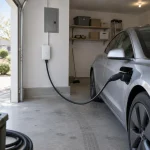
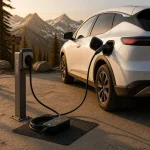
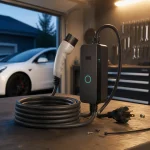
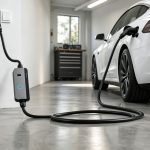
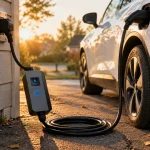

What Are Portable EV Chargers and Why They Matter
Portable EV chargers are compact, plug-and-play charging solutions that let electric vehicle owners charge anywhere a standard electrical outlet is available. Unlike fixed wall-mounted units, a portable charger for EV cars travels with you — whether you’re heading to a cabin for the weekend, managing a delivery fleet, or need backup charging during a road trip.
The market for ev charging portable solutions is growing rapidly. According to IMARC Group’s 2025 market report, the global portable EV charger market reached USD 58.6 million in 2025 and is projected to reach USD 234.9 million by 2034, growing at a CAGR of 16.17%. This growth reflects rising EV adoption, limited public charging infrastructure in rural areas, and increasing demand for flexible home and on-the-go portable ev charging options.
For B2B buyers — fleet operators, property managers, EV charging service providers — understanding the technical specifications, safety certifications, and real-world performance of portable chargers for electric vehicles is essential for making informed procurement decisions. A quality portable charger for ev is no longer a luxury accessory; it’s a core piece of charging infrastructure that every EV owner should consider.
Types of Portable EV Chargers: Level 1 vs Level 2
Portable EV chargers fall into two main categories based on voltage and charging speed: Level 1 (120V) and Level 2 (240V). Each type of portable ev charger serves different use cases, and the choice depends on your daily driving distance, available electrical infrastructure, and charging time requirements.
Level 1 Portable Chargers (120V)
Level 1 chargers plug into a standard household outlet (NEMA 5-15 in North America) and deliver 1.3 kW to 2.4 kW of power. This ev portable charger type is the most basic form of mobile charging and is often included free with the purchase of a new electric vehicle. As a portable charger for ev cars, Level 1 units are lightweight and require zero installation.
Key characteristics:
- Power output: 12-16 amps at 120V
- Charging speed: 3-7 miles of range per hour
- Full charge time (40 kWh battery): 22-40 hours
- No special electrical installation required
- Ideal for plug-in hybrids or low-mileage daily drivers
Level 1 is sufficient if you drive less than 30 miles daily and can charge overnight. However, for full battery electric vehicles (BEVs) with larger battery packs, a Level 1 portable charger for ev car becomes impractically slow — most owners upgrade to Level 2 within the first year of ownership.
Level 2 Portable Chargers (240V)
Level 2 portable EV chargers require a 240V outlet (NEMA 14-30, NEMA 14-50, or NEMA 6-50) and deliver significantly faster charging. A typical Level 2 portable electric car charger provides 3.3 kW to 11 kW of power, depending on amperage (16A, 32A, or 40A+).
Key characteristics:
- Power output: 16-40 amps at 240V
- Charging speed: 15-40 miles of range per hour
- Full charge time (60 kWh battery): 5-8 hours
- Requires 240V outlet (dryer, RV, or dedicated circuit)
- Ideal for BEV owners who drive 40+ miles daily
The Level 2 ev charger portable segment is the fastest-growing category in the market. Straits Research reports that the global Level 2 portable electric vehicle charger market was valued at USD 1.65 billion in 2025 and is projected to reach USD 6.70 billion by 2034, growing at a CAGR of 16.85%. North America dominates with 36.8% market share, while Europe is the fastest-growing region.
Data source: Straits Research — Level 2 Portable Electric Vehicle Charger Market Size Report
| Specification | Level 1 (120V) | Level 2 (240V) |
|---|---|---|
| Power Output | 1.3-2.4 kW | 3.3-11 kW |
| Amperage | 12-16A | 16-40A |
| Range Added Per Hour | 3-7 miles | 15-40 miles |
| Full Charge (60 kWh) | 22-40 hours | 5-8 hours |
| Outlet Required | NEMA 5-15 (standard) | NEMA 14-30/14-50/6-50 |
| Best For | PHEVs, low-mileage BEVs | Full BEVs, daily drivers |
Key Specifications to Consider When Buying Portable EV Chargers
When evaluating a portable charger for ev cars, several technical specifications directly impact performance, safety, and convenience. Here’s what matters most for B2B and consumer buyers alike when selecting a portable charger for ev.
Power Output and Charging Speed
The amperage rating determines how quickly your portable car charger ev replenishes the battery. Common ratings include:
- 16A (3.8 kW at 240V): Adds ~15 miles per hour; suitable for overnight charging of smaller batteries
- 32A (7.7 kW at 240V): Adds ~30 miles per hour; the sweet spot for most BEV owners
- 40A+ (9.6+ kW at 240V): Adds ~40 miles per hour; ideal for high-mileage drivers or larger battery packs
Some portable EV charger for car models offer adjustable amperage, letting you dial down the current if the outlet or circuit can’t handle the maximum load. This flexibility prevents tripped breakers and allows safe use on older electrical systems — a critical feature for portable ev charging in varied locations.
Connector Compatibility
Connector standards vary by region. Ensure your electric car portable charger matches the vehicles you’ll be charging:
- North America: J1772 (Type 1) for AC charging; CCS1 for DC fast charging
- Europe: Type 2 (Mennekes) for AC charging; CCS2 for DC fast charging
- China: GB/T AC connector
- Japan: CHAdeMO for DC fast charging (less common in portable units)
Most portable chargers for electric vehicles sold in a given region come with the local standard connector. If you operate a mixed fleet or need cross-border compatibility, look for models with swappable cables or universal adapters.
Portability and Cable Length
The whole point of a portable charger for electric cars is mobility. Consider these factors when choosing your portable charger for ev cars:
- Weight: Level 2 units typically weigh 8-15 lbs (3.5-7 kg); lighter models are easier to store in the trunk
- Cable length: Standard lengths are 18-25 feet (5.5-7.5 meters); longer cables (up to 40 feet) provide more flexibility but add weight and cost
- Carrying case: A dedicated case protects the unit and keeps cables organized
- Display: LED indicators or LCD screens show charging status, amperage, and error codes
A well-designed portable charger for ev balances power output with portability — heavy enough to feel robust, light enough to carry without hassle on a daily basis. The best portable EV chargers on the market achieve this balance while maintaining IP65 or higher weather resistance for year-round outdoor use.
Safety Standards and Certifications for Portable EV Chargers
Safety is non-negotiable when dealing with high-current electrical equipment. A quality portable ev charging solution must meet rigorous international standards. Here are the certifications to look for when sourcing portable chargers for electric vehicles:
- UL 2594 (North America): Covers safety requirements for AC EV supply equipment, including Level 1 and Level 2 chargers
- IEC 62752 (International): Specifies requirements for in-cable control and protection devices (IC-CPD) used in Mode 2 portable charging
- CE Marking (Europe): Indicates compliance with EU safety, health, and environmental protection standards
- IP Rating: Indicates dust and water resistance; IP65 or IP66 is recommended for outdoor use (dust-tight and protected against water jets)
Essential safety features include:
- Overcurrent protection (prevents circuit overload)
- Overvoltage protection (guards against power surges)
- Ground fault circuit interrupter (GFCI) or residual current device (RCD)
- Overtemperature protection (shuts down if the unit overheats)
- Leakage current detection
Always verify that the manufacturer provides documentation of third-party testing. Cheap, uncertified portable charger for ev car units may skip critical safety components, creating fire and shock hazards. For fleet buyers, requiring certified portable EV chargers reduces liability and insurance costs significantly.
Use Cases: Where Portable EV Chargers Excel
Portable EV chargers solve real-world charging challenges across multiple scenarios. Here’s where portable ev charging delivers the most value for both consumer and commercial users.
Home Charging Flexibility
For EV owners without a dedicated garage or fixed charging station, a portable charger for ev provides a flexible alternative. You can charge from a 240V dryer outlet, an RV hookup, or even a standard 120V outlet when traveling. This eliminates the need for expensive electrical upgrades while still delivering reliable ev charging portable performance.
Property managers and multi-family housing operators can offer EV charging without installing permanent infrastructure — residents simply plug in their own portable charger for electric cars unit and charge at their convenience.
On-the-Road Emergency Charging
Range anxiety remains a top concern for EV drivers. An electric car portable charger in the trunk provides peace of mind on long trips. If you arrive at a destination with no public charging infrastructure, you can plug into a standard outlet and top up overnight. While Level 1 charging is slow, it’s enough to add 20-30 miles of range for the next leg of your journey.
Roadside assistance providers and towing companies are increasingly equipping service vehicles with portable EV chargers to help stranded drivers get back on the road quickly. This is one of the most compelling reasons to carry a portable charger for ev cars at all times.
Fleet and Commercial Applications
For fleet operators, portable chargers for electric vehicles offer unmatched operational flexibility. Delivery vans, service vehicles, and rental car fleets can charge at multiple locations without installing dedicated stations at every site. A single portable charger for ev cars can serve as a backup unit or be deployed to temporary work sites.
Car dealerships, auto rental agencies, and ride-sharing companies use portable car charger ev units to maintain charging flexibility across multiple locations. The ability to relocate charging capacity on demand is a significant competitive advantage in today’s market.
How to Choose the Right Portable EV Charger
Selecting the right portable EV chargers depends on your specific needs. Use this decision framework to narrow your options and find the best portable ev charger for your situation:
- Assess your daily driving distance: If you drive less than 30 miles daily, Level 1 may suffice. For longer commutes, invest in a Level 2 portable electric car charger.
- Check available outlets: Do you have access to a 240V outlet (dryer, RV, workshop)? If not, you’ll need to install one or stick with Level 1.
- Consider your vehicle’s battery size: Larger batteries (75+ kWh) benefit from higher-amperage Level 2 chargers (32A+).
- Prioritize safety certifications: Never compromise on UL, CE, or IEC certifications. Look for IP65+ ratings if you’ll charge outdoors.
- Evaluate cable length and weight: Longer cables provide flexibility but add bulk. Choose based on your typical charging setup.
- Check warranty and support: Reputable manufacturers of portable EV chargers offer 2-3 year warranties and responsive customer service.
For B2B buyers managing fleets or commercial operations, consider units with adjustable amperage, smart features (load balancing, scheduling), and robust build quality rated for daily use. A well-specified portable ev charger should last 5+ years under regular field conditions. Investing in quality portable chargers for electric vehicles pays dividends through reduced downtime and fewer warranty claims.
Conclusion
Portable EV chargers bridge the gap between fixed charging infrastructure and the flexibility modern EV owners demand. Whether you’re a daily commuter, a road trip enthusiast, or a fleet operator managing multiple vehicles, the right portable charger for electric cars eliminates range anxiety and provides charging freedom wherever you go.
The key is matching the charger’s specifications to your use case. Level 1 units work for low-mileage drivers and plug-in hybrids, while Level 2 portable EV chargers deliver the speed full BEV owners need. Safety certifications, connector compatibility, and build quality should guide your purchasing decision.
As the EV market continues to grow — projected to reach USD 234.9 million for portable ev charging solutions alone by 2034 — investing in a quality portable charging solution ensures you’re prepared for any charging scenario. The right portable charger for ev is an investment in convenience, safety, and long-term mobility.
For teams ready to explore professional-grade portable EV chargers, our portable EV charger product line covers Level 2 options from 16A to 32A, with full safety certifications and IP65+ ratings for reliable indoor and outdoor use. Portable EV chargers represent the future of flexible charging — and that future is already here.